


BN-600 NESTY
Between incubator care and a parent’s arms
Nesty Bed
The BN-600 NESTY provides an intermediate level of care between an incubator and a standard cot. It creates a thermoneutral environment for stable neonates, supports the infant’s physiological positioning, and enables natural contact with parents, helping to improve comfort for both the baby and the parents.
The device helps to stabilise neonates who do not require incubator care but still need active thermoregulatory support and safe positioning.
Typical applications
• delivery rooms and observation areas in maternity units
• intermediate care units
• rooming-in
• transition from an incubator to a standard cot
• stabilisation of the neonate while awaiting transfer
• growth-restricted infants
• neonates born by caesarean section
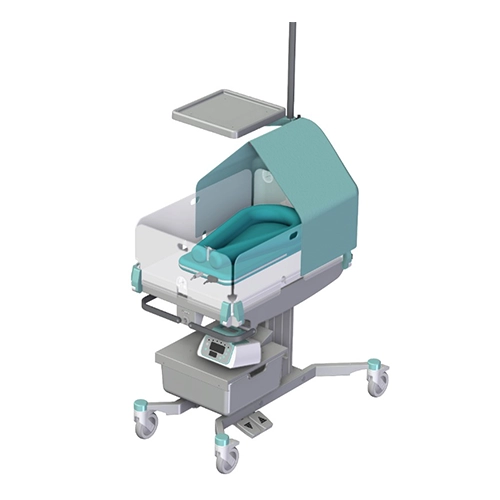
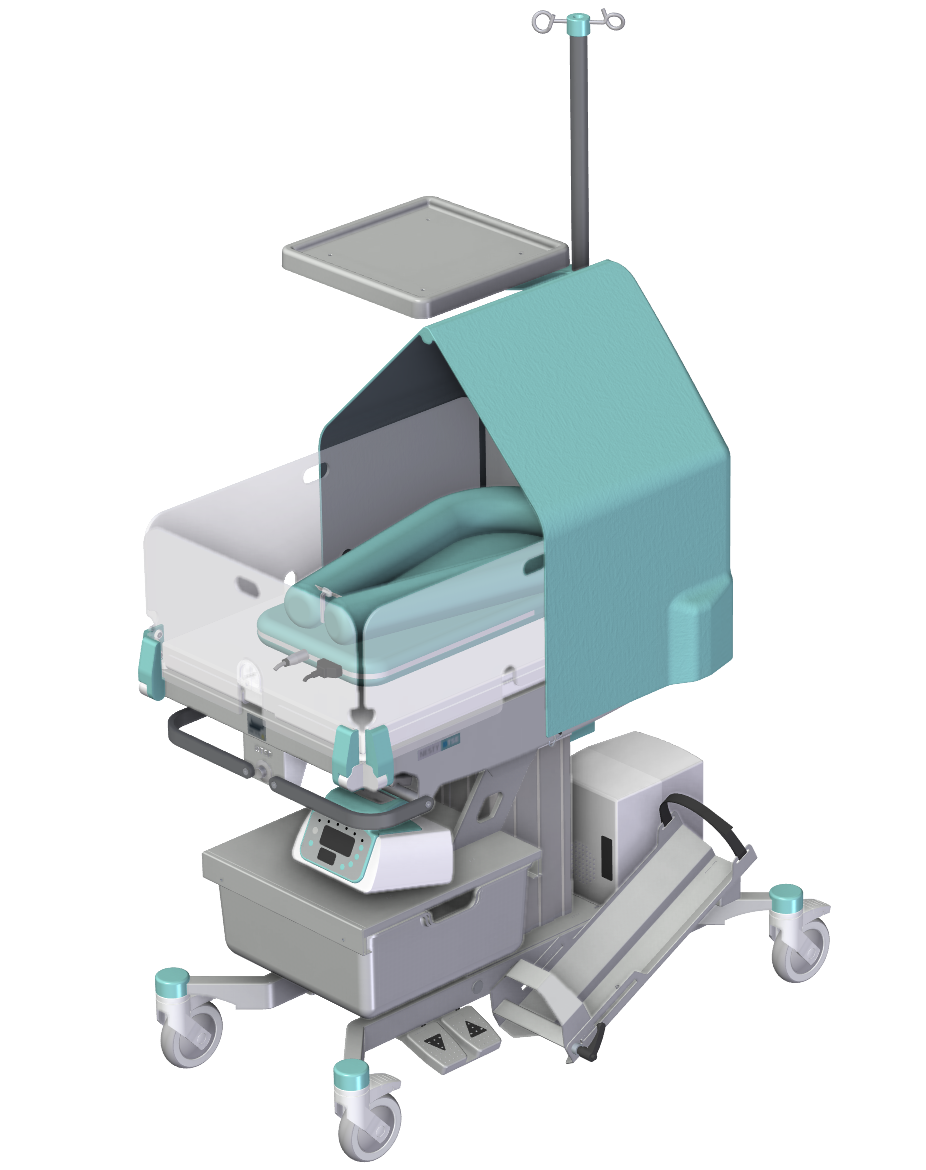
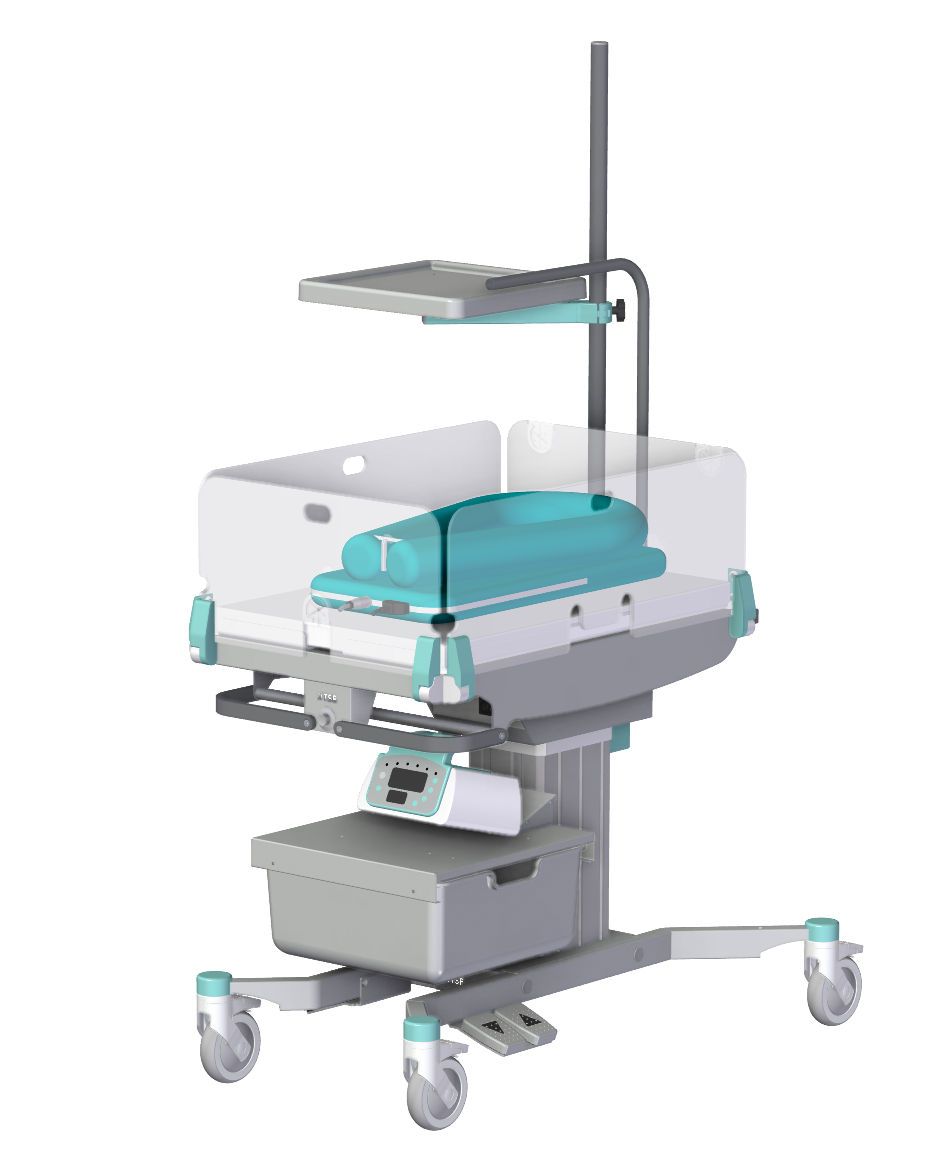
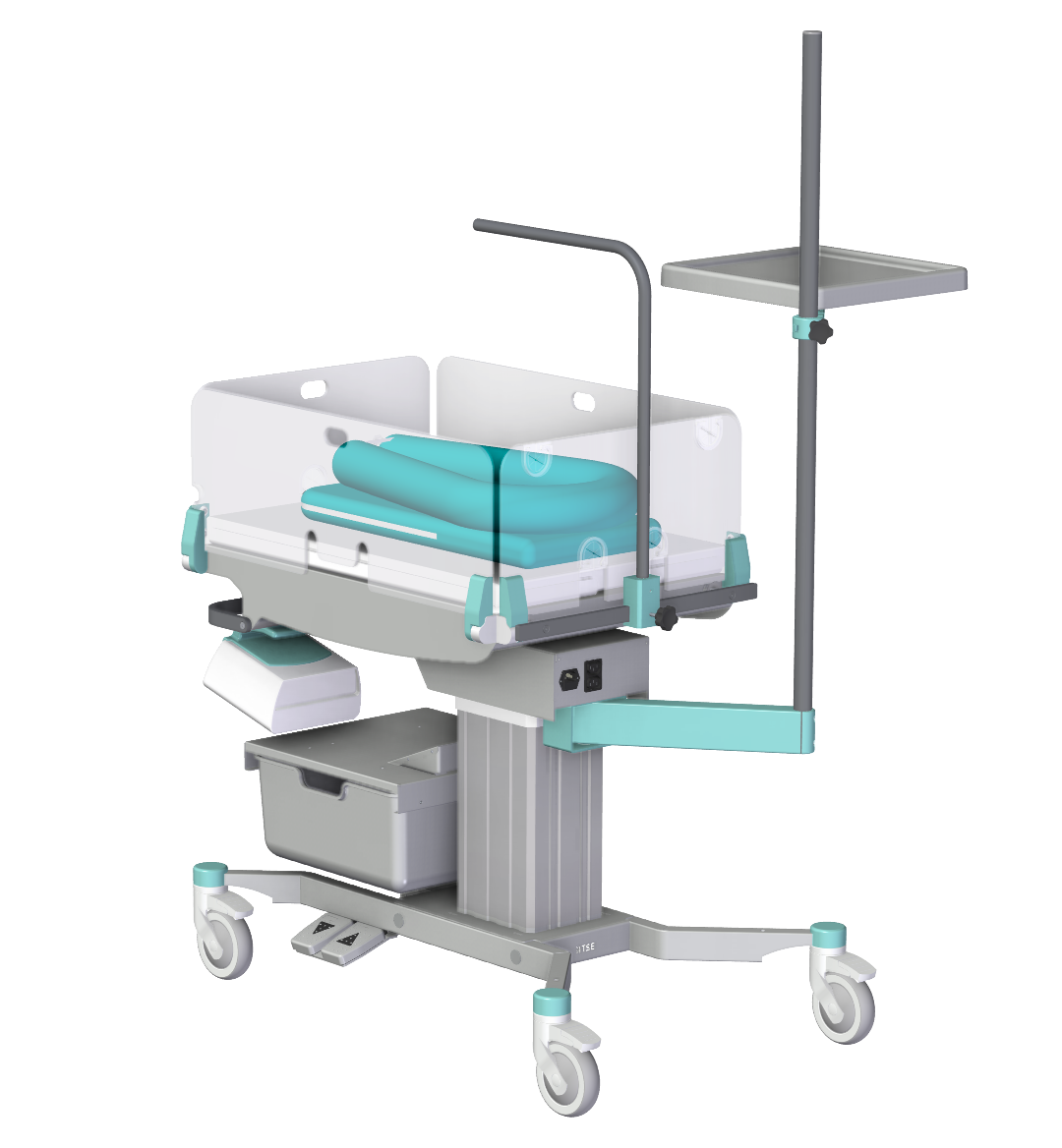
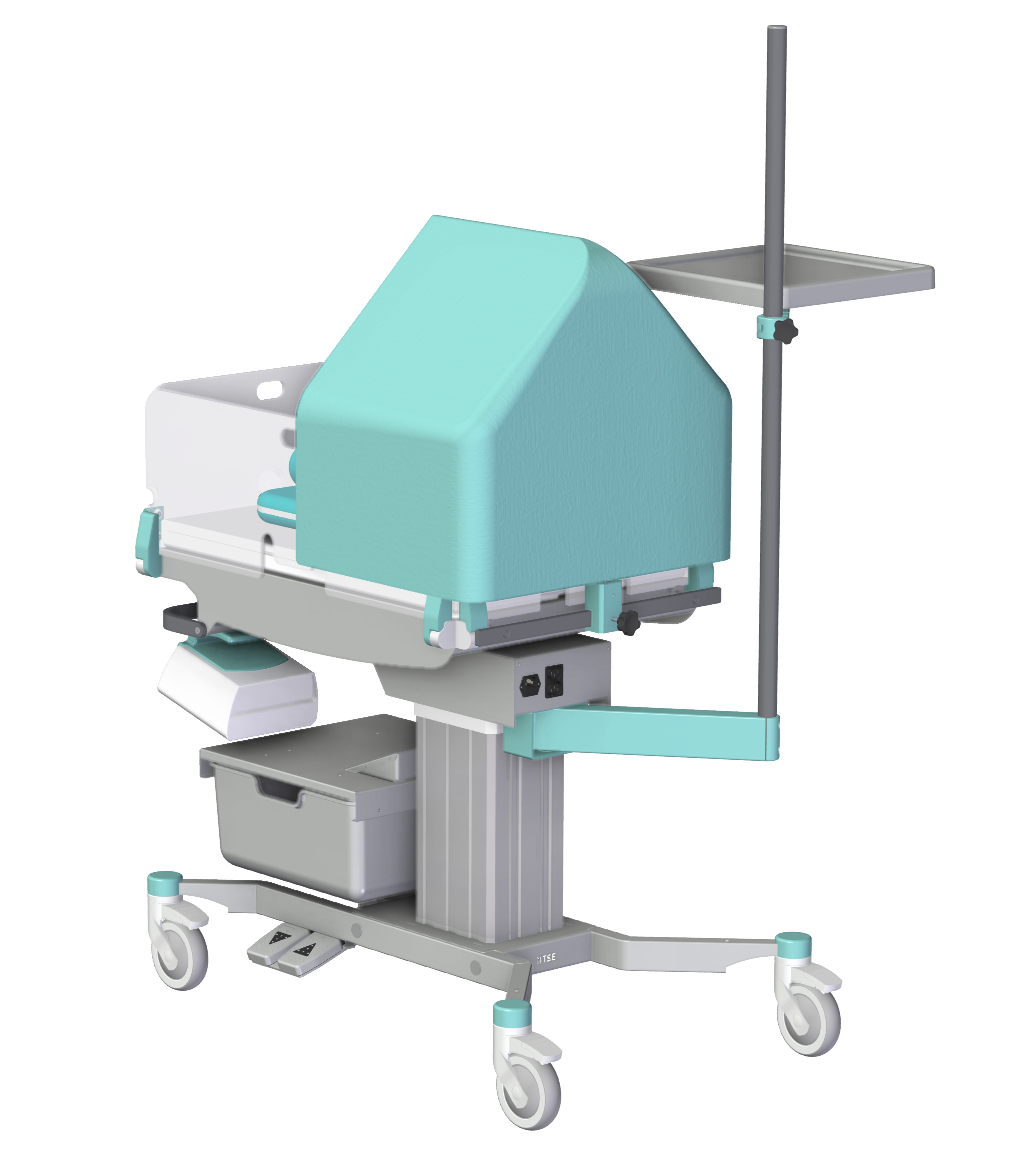
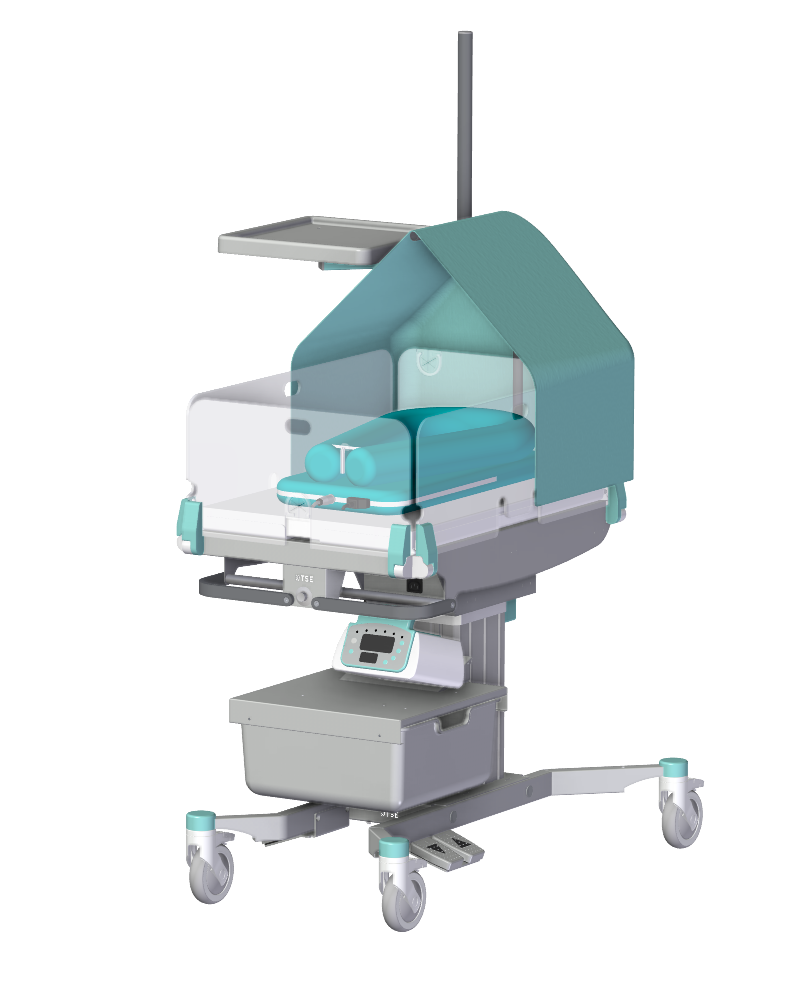
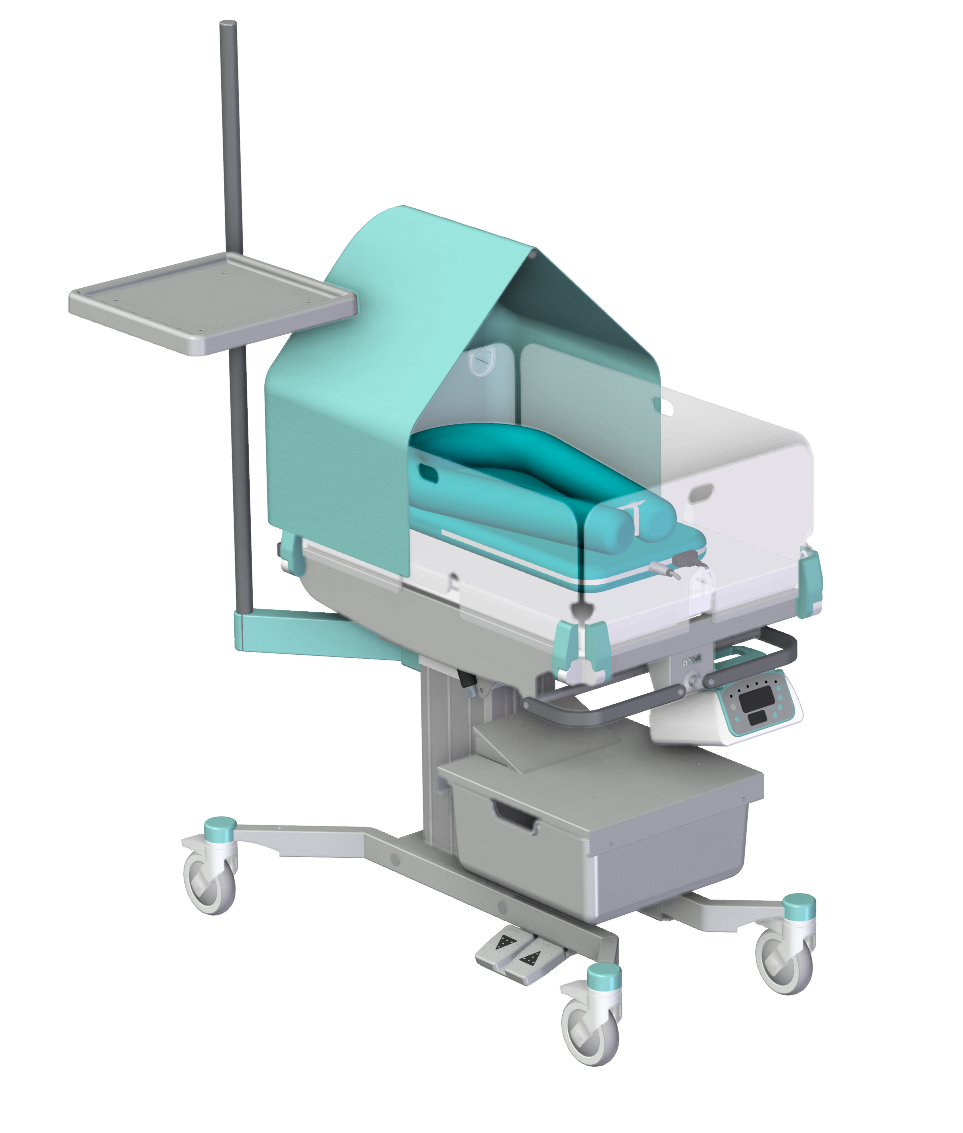
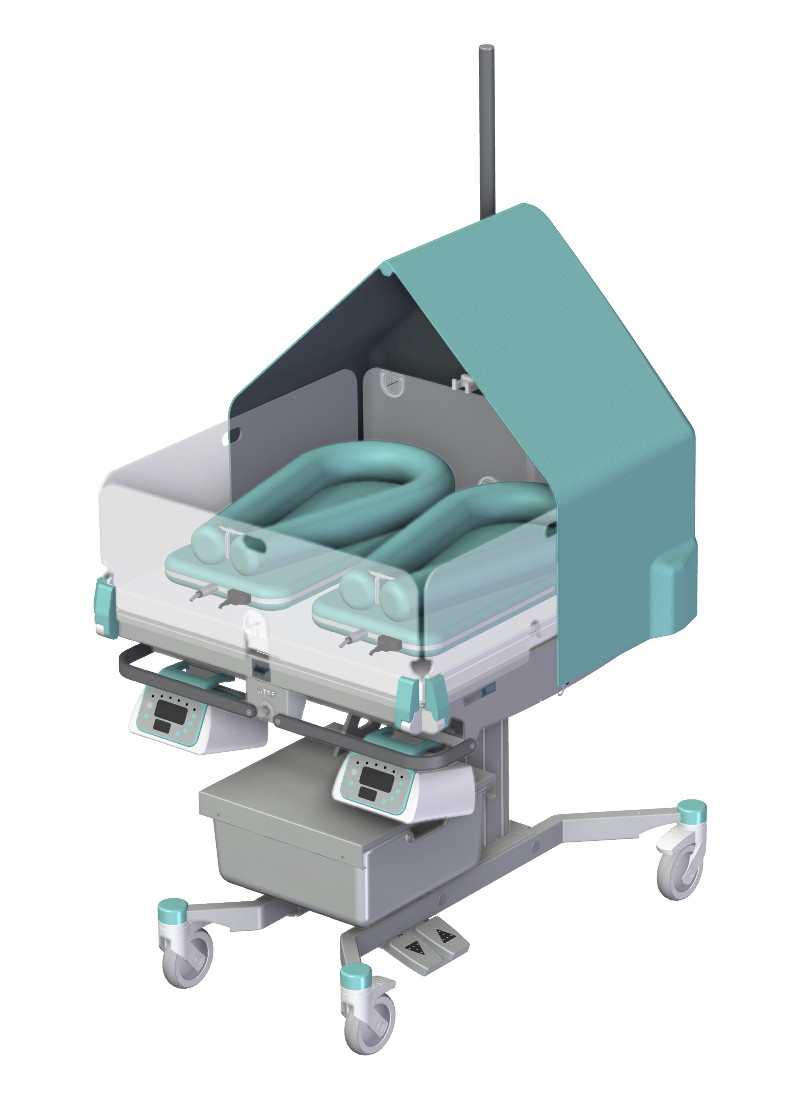
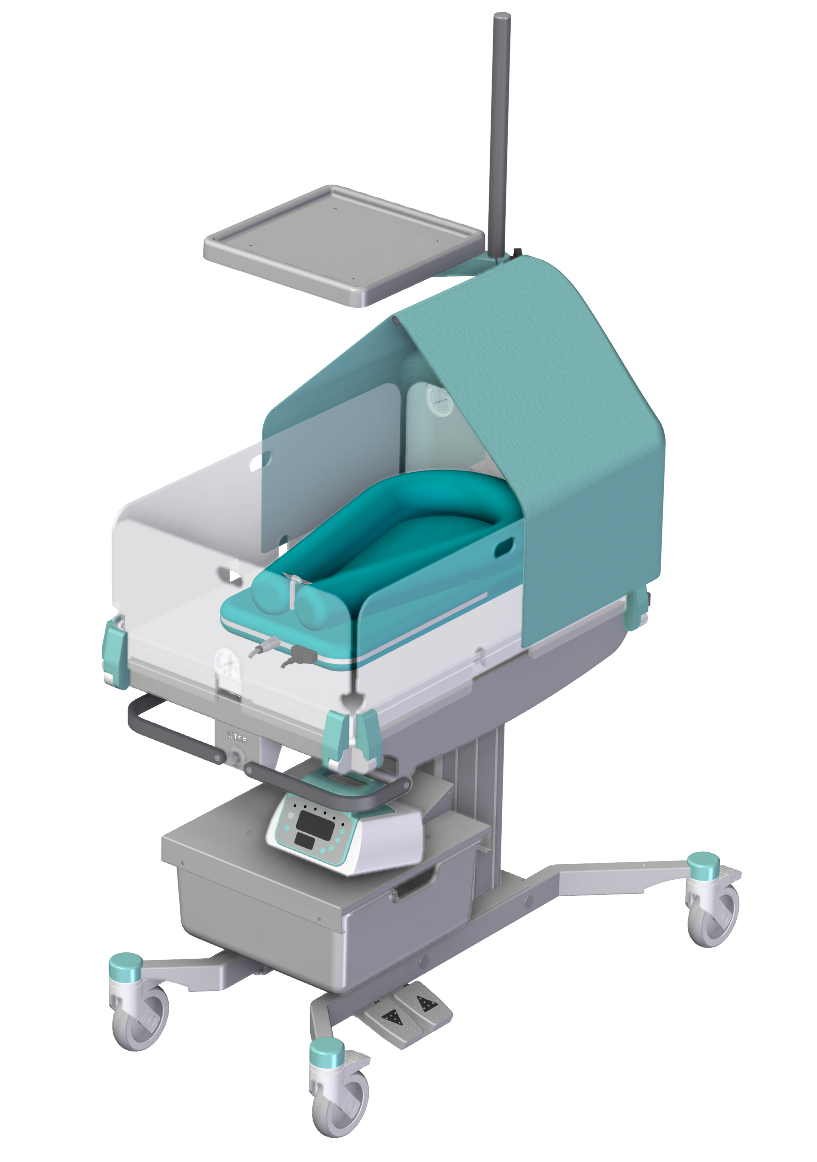
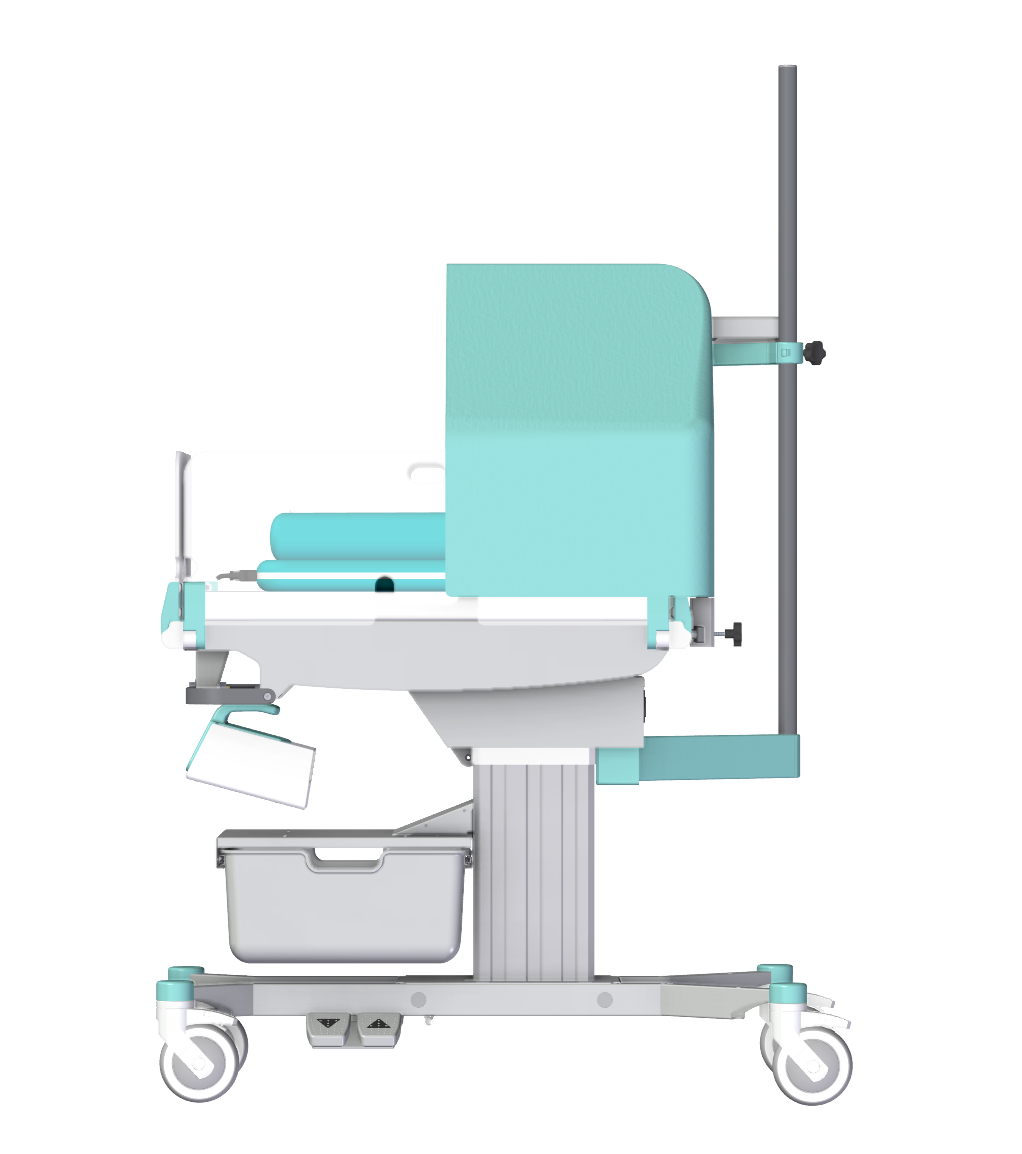
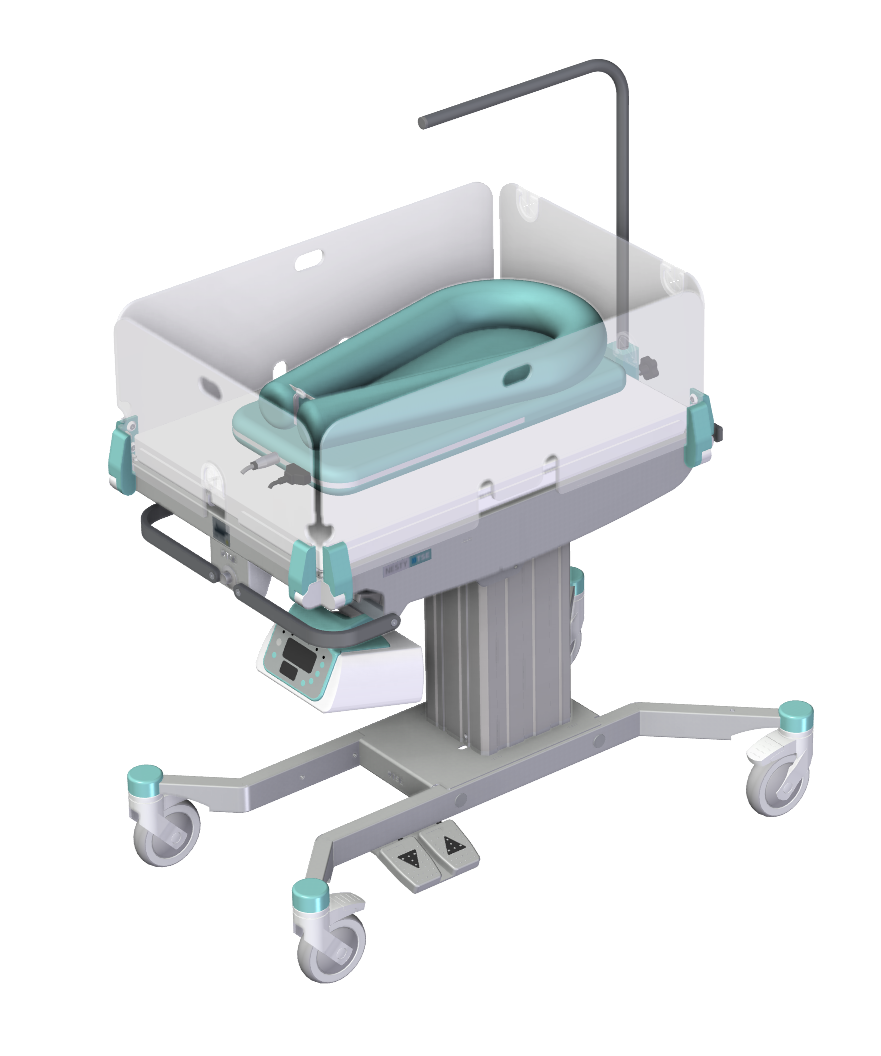
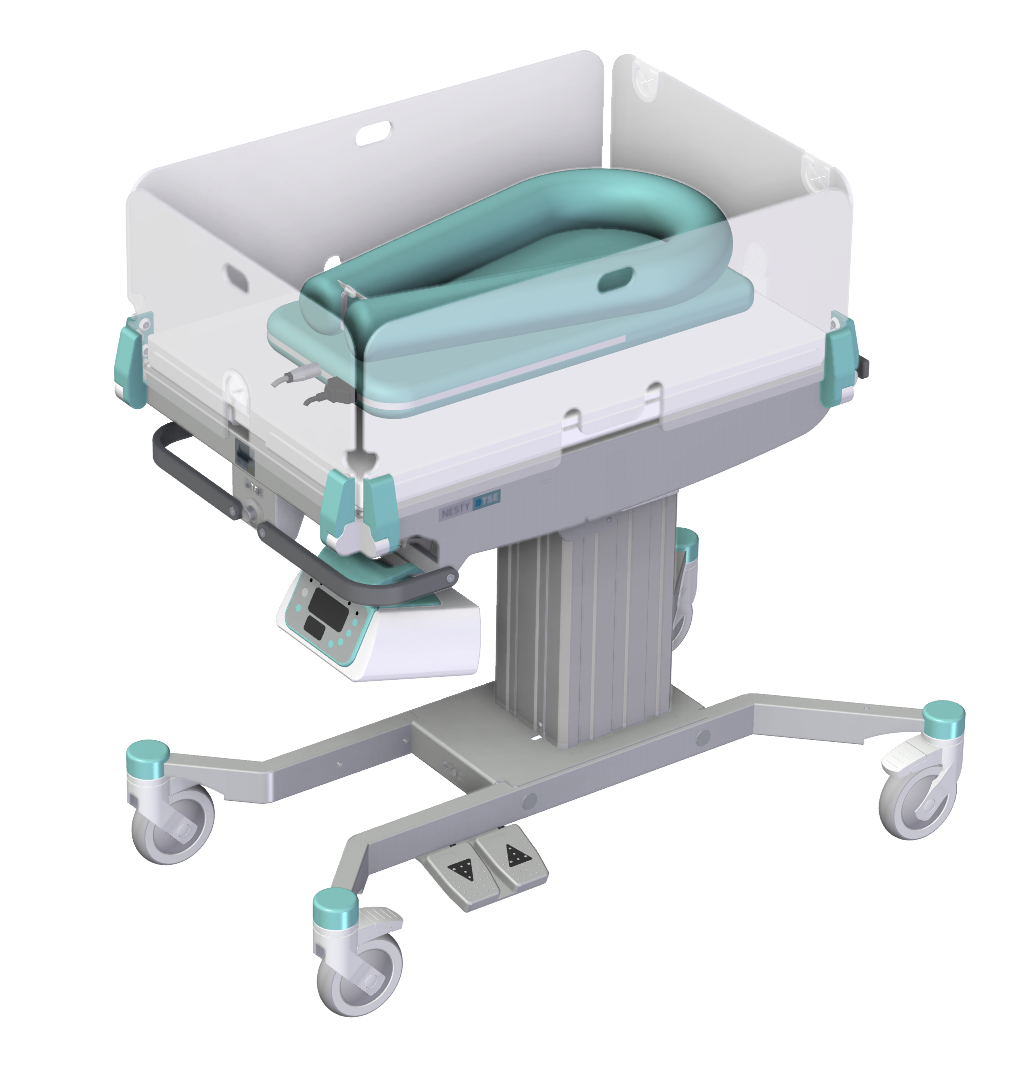
Key benefits
• Stable thermoregulation – prevention of hypothermia
• Support for physiological positioning – flexion, comfort, reduced stress
• Support for bonding – parental contact, rooming-in, more natural care
• Easy to use – intuitive, quick deployment, minimal training required
• Highly mobile device
• Compatible with FTL and monitoring equipment
• Cost-effective – lower acquisition costs
• Minimal servicing costs
• Simple maintenance and cleaning
• Long service life
Key features
-
The device is intended primarily for the following neonates:
-
Term neonates: infants born at term who may require short-term thermoregulatory support after birth or during hospitalisation.
-
Late preterm neonates: infants born at approximately 34–37 weeks’ gestation who are clinically stable but may have immature thermoregulatory capacity.
-
Hypotrophic or low-birth-weight neonates: infants with a lower birth weight or intrauterine growth restriction (SGA), who are at increased risk of hypothermia and metabolic stress.
-
Neonates born by caesarean section: infants delivered by caesarean section, who may be at increased risk of temperature instability in the early postnatal period.
-
Stable neonates in transitional care: infants who no longer require incubator care, but still need a controlled thermal environment during transition to a standard cot.
Benefits for healthcare staff
-
stabilisation of the neonate without the need for an incubator
-
elimination of improvised neonatal warming
-
simple solution without complex technology
-
highly mobile device
Technical specifications
| Device type designation | BN-500 / BN-600 |
|---|---|
| Power supply |
mains voltage as per the current device version, with protective disconnection from the supply (L+N+PE conductor): 110-230 V; 50/60 Hz ~ |
| Maximum power input |
BN-500: 65 W (without auxiliary sockets) BN-600: 215 W (without auxiliary sockets) |
| Average power input |
BN-500: <1 W (without auxiliary sockets and height adjustment) BN-600: 40 W (without auxiliary sockets and height adjustment) |
| Maximum power input via auxiliary sockets | 700 W (350 W + 350 W) |
| Minimum weight (without additional accessories) | 48.5 kg (BN-500) / 50 kg (BN-600) |
| Medical device class |
BN-500: I BN-600: IIb |
| Type of protection against electric shock (as per ČSN EN 60601-1) | Class I |
| Type of applied part (as per ČSN EN 60601-1) |
BN-500: B BN-600: BF |
| Degree of protection | IP20 |